
Minnsights Blog
Browse by Topic
-
 Minnesota businesses value the contributions of immigrants to the state. Their roles as workers, entrepreneurs, consumer and a link to the world economy are increasingly important to the development and growth of the economy and communities throughout Minnesota. Demographics show that as the population ages and the economy grows, Minnesota will not have the numbers of people available to fill labor needs, and immigrants are a key solution to this challenge.
-
 The COVID-19 pandemic has impacted businesses in every corner of Minnesota, from decreased demand for products and services, to break-downs in supply chains, to some closing their doors forever. Reopening the economy and managing the ongoing economic fallout is a top business community concern, according to a recent survey. Lawmakers must focus on steps to avoid additional restrictions on businesses and not raise costs or burdens on businesses already struggling to survive.
-
 Minnesota companies are often recognized as some of the best places to work in the nation. Employers are in the best position to design benefit packages that serve the needs of their businesses and employees. Mandating broad-sweeping, one-size-fits-all employee benefits threaten employees’ ability to compete, especially as the state’s economy begins to recover from the COVID-19 pandemic. Legislators must preserve private-sector flexibility on wage, benefit, scheduling and employee classification divisions.
-
 Access to high-quality, affordable health care is necessary for employers to stay competitive. A strong majority of Minnesota Chamber member organizations offer health insurance to their employees, although employers – especially small employers – struggle with the high cost of insurance. And according to a recent survey, 75% of those who offer these benefits report that they will need to make a change their offerings if costs continue to increase.
-
 Environmental sustainability and economic competitiveness do not need to be mutually exclusive. Minnesota energy providers and ratepayers have made significant investments to enhance energy systems – power generation, transmission and pipelines – and reduced harmful environments impacts at the same time. According to a recent study of businesses, 75% names reliability and affordability as the most important consideration of energy policy. Legislators must take steps to ensure affordable and reliable energy for businesses and oppose new mandates, fees and assessments that increase electricity prices.
Featured Article
Latest Articles (blog page)

This week's release of our 2027 Business Benchmarks report highlights the challenges facing Minnesota's economy and the urgent need for...

The results are in. Voters on Tuesday sent a clear message that costs and affordability are top of mind for...
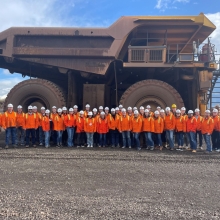
Learn more about this year's class of Leadership Minnesota participants.
The results are in. Voters on Tuesday sent a clear message that costs and affordability are top of mind for...