The lifecycle of recycled plastic in Minnesota Part 3: Closing the loop - manufacturing

Chelsey Sloan
Sustainability Specialist
Minnesota Chamber Environmental Sustainability Foundation
At the start of this series, we set out to discover what happens to plastic containers after they go into the recycling bin. We followed them through Minnesota MRFs and the recyclers that transform them into usable raw materials, and now we're closing the loop by meeting two Minnesota manufacturers that use recycled plastic to make everything from landscape products to jewelry. Avon Plastics in Paynesville and Cool Trash in Minneapolis represent two very different approaches to manufacturing, but both highlight the critical role manufacturers play in the recycling system. By turning recycled plastic into useful products again, these manufacturers illustrate how valuable materials can stay in use longer and help move Minnesota toward a more circular economy.
Avon Plastics
From recycled pellets into new products
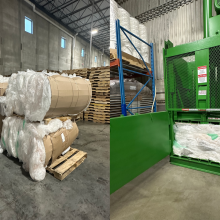
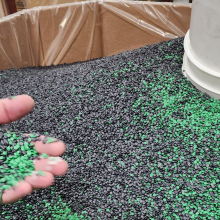
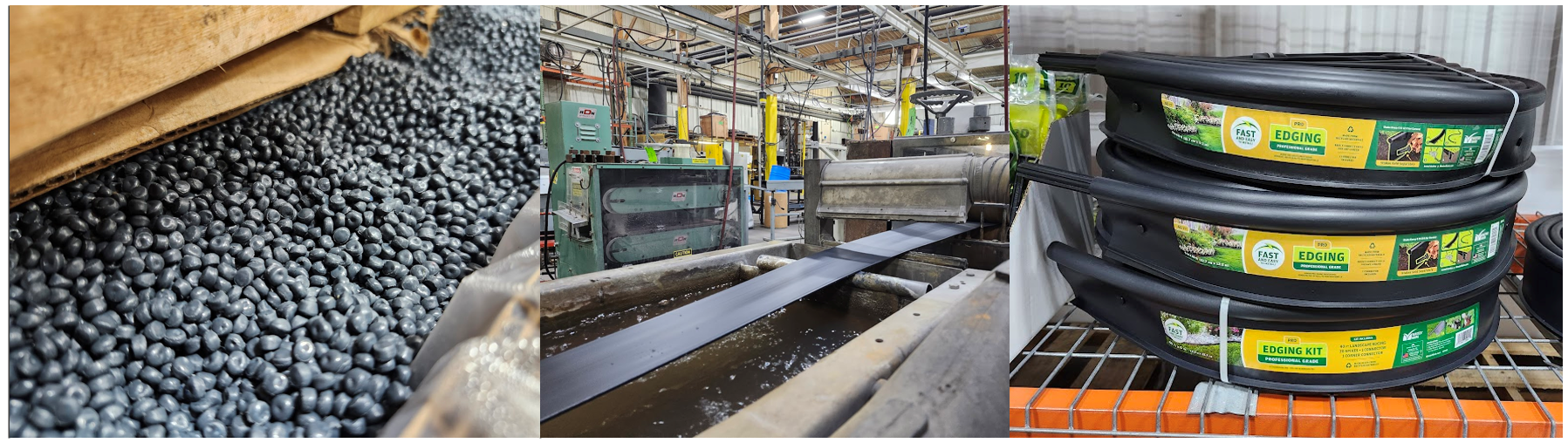
The recycled plastic pellets made by processors like Choice Plastics and GDB Circular in part 2 only have value if someone wants to buy and use them. Avon Plastics helps create demand for recycled plastic by using it in their landscape edging, composite decking and other products sold across the country under their Master Mark and Armadillo brands.
Avon Plastics purchases recycled HDPE (#2 plastic) from many sources across the Midwest and U.S. Materials arrive from post-consumer recycling programs in Minnesota, Wisconsin, Illinois and Iowa, manufacturing operations throughout the region, and agricultural businesses in Iowa, Texas and California that generate large volumes of used pesticide and herbicide containers.
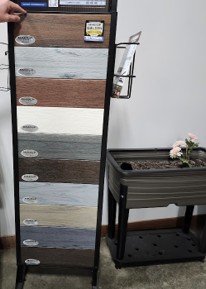
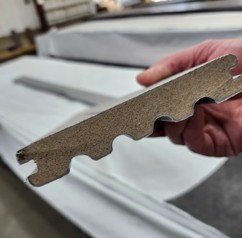
At Avon Plastics, recycled plastic isn’t just an additive; it’s the core material in many of their products. Their landscape edging is made almost entirely from recycled plastic (98%), with only a small amount of additives used to achieve the finished black color. Their composite decking is also made primarily from recycled materials. The core of each board contains 95% recycled content, including up to 40% recycled HDPE (#2 plastic), along with recycled wood fibers and additional resin additives. The outside of the decking is coated in a thin layer of virgin resin to create consistent colors. This keeps recycled plastic at the center of the product while still achieving the desired appearance.
Creating Consistency from Recycled Materials
One challenge of working with recycled plastic is that no two bales are exactly alike. Depending on where they originated, bales can vary in color, density, melt characteristics and contamination levels. To ensure the material meets their product specifications, Avon Plastics carefully tests incoming materials and measures key characteristics, such as melt index and density, to understand how the plastic will behave during manufacturing. They often blend different grades of recycled plastic together to create a consistent material mix. By carefully managing the blend, Avon Plastics is able to reach the desired melt range, allowing the plastic to flow properly during extrusion and produce a reliable, high-quality finished product.
This attention to quality control is what allows Avon Plastics to transform variable recycled plastics into products that meet the same expectations for durability and consistency as those made with virgin resin.
“We want to ensure specific material qualities and have consistent material supply when using recycled materials, and with having strong partnerships in the industry we can achieve this,” said Nick Scherping, Purchasing Manager at Avon Plastics.
Cool Trash
Catching plastics that slip through the cracks
While Avon Plastics demonstrates how recycled plastic can be transformed at an industrial scale, Cool Trash showcases this through a smaller, more artisanal approach. Based in Minneapolis, Cool Trash focuses on plastic materials that often fall outside traditional recycling systems and gives them a second life through locally made products.
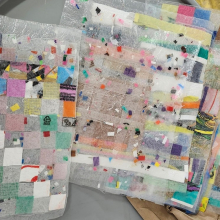
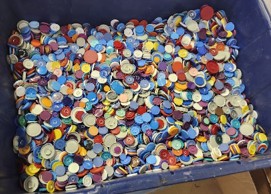
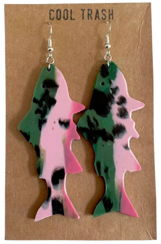
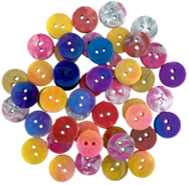
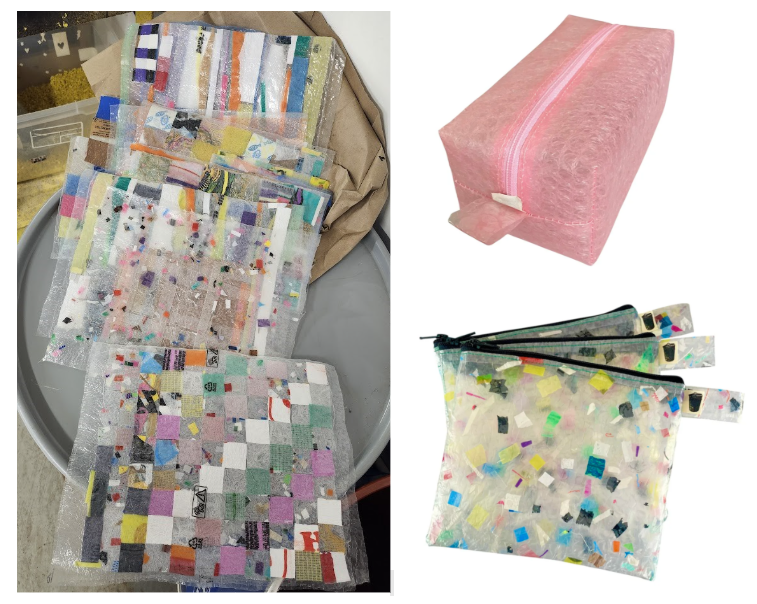
Founder Emma Crutcher-McGowan creates earrings, buttons, vinyl record displays, signs, plant stakes and more from a variety of hard-to-recycle plastics, including medication vial caps from a local hospital, plastic beverage carriers from nearby breweries, pill bottles, manufacturing scraps and discarded vinyl records from local record pressing company, Outta Wax. Many of these items fall outside traditional recycling systems because they were not designed for single-stream recycling and cannot be processed by existing infrastructure. Cool Trash fills this gap by turning them into products sold directly to consumers and retailers, while also partnering with businesses and organizations to create custom products from their own plastic waste.
During our conversation, Crutcher-McGowan described their approach as “curb-to-ear.” Inspired by the farm-to-table movement, the phrase captures the journey discarded plastic takes from the curb to becoming a one-of-a-kind earring. Instead of sending materials far away for processing, Cool Trash keeps the process local by collecting plastics in their own backyard (figuratively and literally) and transforming them into new products made close to home.
Creating value from local materials
For Cool Trash, the challenge isn’t finding enough plastic – it's finding enough capacity to process it all.
“We’re seeing more of everything,” Crutcher-McGowan said. “There’s more than we can handle currently. There’s no shortage of plastic waste.”
The variety of materials Cool Trash receives reflects just how much plastic exists in everyday life. Once people begin to see plastic as a resource rather than something disposable, Crutcher-McGowan said, they start noticing opportunities everywhere.
“Look around,” she said. “It’s literally all over the place.”
That shift in perspective is central to Cool Trash’s work. By giving discarded plastics a new purpose, Crutcher-McGowan shows how materials often viewed as waste can become valuable resources when there are systems in place to collect, process and transform them. Cool Trash puts this into practice by creating products made from 100% recycled plastic and operating a take-back program that accepts broken or defective items they’ve made and recycling them into new products, keeping the material in use.
For Crutcher-McGowan, creating demand for recycled plastic starts with making products people genuinely want.
“I wanted to make stuff that was interesting, beautiful, functional, cool, and then later people find out that it’s made of recycled plastics and it’s even more cool because of that.”
By focusing on creativity and design, Cool Trash helps shift the way people think about recycled products - not as a compromise, but as a unique feature of the final product.
A Minnesota-made circular economy
Crutcher-McGowan believes Cool Trash’s success is closely tied to Minnesota’s strong network of businesses, communities and organizations working to support recycling and sustainability. Local partnerships provide materials, customers create demand for recycled products, and a culture of collaboration has helped create space for experimentation and innovation.
“The community here - I could not have built my business anywhere else,” Crutcher-McGowan said. “There’s so much support for recycling and innovation…I know that what we’re doing will work here. We have the resources for this to succeed here in this state.”
Her experience highlights an important part of building a circular economy: successful recycling systems require more than collection and processing infrastructure. They also depend on relationships, collaboration and businesses willing to create new markets for recovered materials.
Cool Trash and Avon Plastics work at different scales, but both demonstrate the same core idea: recycling only works when there are end markets ready to use the recovered material. Collection and processing are essential, but the loop is not truly closed until recycled materials become new products that people want to buy and use. By creating demand for recycled plastic, these manufacturers help keep materials in circulation and demonstrate what a more circular economy can look like in practice.
Waste Wise can help you reduce waste and save money
Waste Wise experts have secured more than a million dollars in grants for Minnesota businesses that reduce, reuse, and recycle. We’re here to help you get started. A site visit is a quick and easy way to identify projects that help your organization reduce waste and save money.
SHARE


Recommended Articles