Final weeks at the Capitol: PFAS reporting update and key business priorities in focus

By Doug Loon
President and CEO
Minnesota Chamber of Commerce
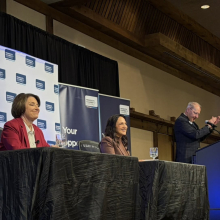
Coming to you this week with a quick rundown of things happening at the Capitol. But first, let me comment on a meeting we had last week that aligned with our Business Day at the Capitol. Our Manufacturers Council met and we were joined by the commissioner and staff from the Minnesota Pollution Control Agency, where they announced updates to PFAS reporting requirements and deadlines. These requirements came out of the 2023 legislative session and place significant new burdens on businesses related to reporting and product availability.
We are pleased that the initial PFAS reports are now due on September 15 of this year, instead of the original July 1 deadline. This gives businesses more time to prepare. Companies will also have the option for a one-time 90-day extension, allowing additional time for compliance and higher quality reporting. In addition, legislation moving through the Capitol would update PFAS requirements to apply only to products manufactured on or after July 1, 2027, helping provide greater clarity for businesses. We see this as meaningful progress.
The Legislature is now heading into its final three weeks of session. As we move forward, major policy and budget decisions will be packaged together and will ultimately shape the final outcome. We are closely monitoring tax proposals, including a potential tax on social media advertising, which would increase costs for businesses that rely on digital platforms. This would disproportionately impact small businesses that depend on these tools to reach customers.
Instead of raising taxes, we continue to push for federal tax conformity, which would help businesses by aligning state policy with recent federal changes. We are also advocating for extending the Pass-Through Entity tax and opposing efforts to expand the sales tax to professional services. Additional proposed tax increases would only add to the burden on businesses at a time when costs are already rising.
On the workplace policy front, the Senate Labor Omnibus bill includes new mandates and restrictions on employers, including artificial intelligence related regulations and additional compliance requirements. The House version takes a different approach and does not include many of these provisions, highlighting key differences that will need to be resolved. We continue to urge lawmakers to consider the cost impact of these proposals, as added complexity can constrain business activity and increase costs for consumers.
Proposals related to non-disclosure agreements tied to economic development and data center projects are also gaining traction in the Senate. These raise serious concerns about Minnesota’s ability to compete for business investment. NDAs are often essential in the early stages of projects, and limiting their use could push opportunities to other states.
On health care, lawmakers are advancing large omnibus bills that include new mandates, funding for safety net providers like Hennepin Healthcare and changes to public program eligibility. These proposals could have significant cost implications for employers.
Across issues including artificial intelligence, environmental regulations and tax policy, the Chamber continues to advocate for balanced solutions that support Minnesota’s innovation, economic growth and competitiveness. If you have not yet connected with your legislator, now is the time. These final weeks are critical as the session moves toward its May 18 deadline.
We look forward to catching up with you on next week’s episode of the innesota Business Podcast. Have a great weekend!
SHARE


Recommended Articles