Preparing for Paid Family and Medical Leave: A conversation with Senator Nick Frentz
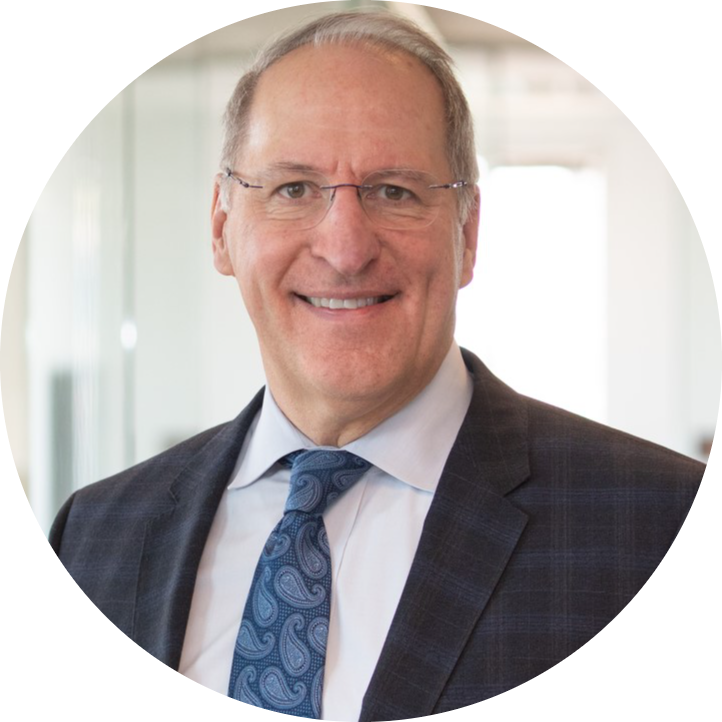
By Doug Loon
President and CEO
Minnesota Chamber of Commerce
This week on the Minnesota Business Podcast, I sat down with Senator Nick Frentz of North Mankato to talk about the new Paid Family and Medical Leave law taking effect January 1, 2026. As both a legislator and small business owner, Senator Frentz brings a unique perspective on the challenges and opportunities this mandate creates. We discussed why he pushed for changes to the law, what employers should be doing now to prepare, and how bipartisanship will be essential as we look toward the next legislative session.
Chamber resources for PFML and compliance can be found here.
Doug Loon: We’re in the final days of the Coolest Thing Made in Minnesota contest — I’ll share more at the end. But today, I’m thrilled to have another guest with us to talk about the Paid Family and Medical Leave law, which takes effect January 1.
Joining me is Senator Nick Frentz from the Mankato area. He’s been in office since 2016 and is coming up on a decade of service to the state. Senator Frentz holds important roles in the Minnesota Senate: Assistant DFL Leader of the Senate Caucus, Chair of the Energy Committee, Co-Chair of the Finance Committee, and a member of the Rules Committee. That puts him in a critical position to help shape policy.
We’ve had an active conversation with the Senator around business issues, not only because of his leadership role, but also because he’s a business owner and an active member of the Chamber in Mankato — which we greatly appreciate.
Senator, welcome, and thank you for being with us.
Senator Nick Frentz: Thank you, Doug. Good morning, everybody. I’m proud to join you from the great city of Mankato. I live in North Mankato with my wife, and we raised our four children here. My father’s family has been in the area for six generations, and we’ve been business owners for 60–70 years.
I’m also a partner in a law firm, and in the past, co-owned a bagel shop. I even spoke recently with a local business about a possible acquisition. So, I bring that perspective with me.
I’m a Democrat for some simple reasons. My parents were teachers, so I grew up believing education was critical. Coming to work in the Senate, it’s a thrill to represent this area and, importantly, to bring the voice of small business owners into my caucus. My colleagues have listened, even when they don’t always agree.
As Doug mentioned, I had questions and concerns about the Paid Family and Medical Leave law, and I offered a bill last session to make some modifications. I serve on the Commerce Committee, and in that role I try to balance employers and employees. I’m proud to cheer for working men and women, but I also think we need strong partnerships with businesses.
DL: Thank you, Senator. As I noted, the Paid Family and Medical Leave law goes into effect January 1, just three months from now. You led an effort within your caucus and the Senate to make modifications — not just after the fact, but even before the bill became law in 2023.
Businesses are now challenged with how to comply. But before we talk about compliance, share your thinking on this far-reaching mandate. As you know, the Chamber sought adjustments early and throughout. Ultimately, we opposed it because we think it’s too large, costly, and potentially detrimental to Minnesota’s workforce. What was your perspective when you offered your bill last year?
NF: My thinking was pretty straightforward: we need partnerships between employers and employees. I’ve been a member of Greater Mankato Growth for over 30 years. That’s our local chamber, and it’s very inclusive. Business owners, county commissioners, city council members, and school board members all work together on policy.
The number one reason I wanted to talk about changes to Paid Family and Medical Leave was that 70–80% of GMG members wanted modifications. Some didn’t want the law at all. Others felt eligibility rules were too broad or that benefits were too generous.
On a personal note, my cousin’s wife managed our bagel shops and told me directly she worried the law would add too much work and might be abused by employees. That hit home.
We compared other state programs and saw different outcomes. While I strongly support leave for parents welcoming a new child, this law went much further. I felt it should have started more restricted and been adjusted over time.
And honestly, I didn’t like passing such a significant mandate when so many Minnesota business owners opposed it. I was the last “yes” vote in my caucus and pushed for changes. We got a few, but I thought we could have done more — which is why I offered my bill last session.
DL: We would’ve liked to see more changes too. Aligning the law closer to federal unpaid requirements would’ve been easier for businesses to manage. Now, businesses face workforce shortages and new costs in the form of taxes on both employers and employees.
With just three months to go, businesses must decide how to implement this law. DEED has been communicating responsibilities, but as you know, small businesses especially are focused on running day-to-day operations. What are you hearing from your community, your caucus, and DEED about the January 1 start date?
NF: I hear a mix. Businesses ask: How is this going to work? Is this good for us? They want their employees to succeed because talent recruitment is already a challenge. Minnesota’s unemployment rate is about a point lower than the national average, and in Mankato it’s even lower. That makes it harder to find workers, and Paid Family and Medical Leave is another layer of stress.
About half of the concerns I hear are about workforce shortages. The other half are administrative — questions about whether the rollout will work.
I’ve met with DEED’s commissioner and their software team. They persuaded me they’ll be ready to roll it out January 1. That doesn’t guarantee every business will understand what’s required or feel it’s in their best interest, but at least the system may function.
Still, businesses are right to be cautious. We need to watch closely as this rolls out.
DL: Assuming the launch goes smoothly and businesses begin adjusting, what do you see as the “art of the possible” next session? Do you think there will be opportunities to make additional adjustments?
NF: That’s really two questions. My door is open, and I’ll be listening. My caucus colleagues may feel differently — many prefer to leave the law as-is and focus on employee protections. But if businesses start closing or leaving the state, that doesn’t help employees or our economy.
We saw this with Earned Sick and Safe Time last year. Concerns came up, and the legislature made adjustments. I think Paid Family and Medical Leave could follow a similar path.
At the end of the day, if you’re not listening to your district, you won’t be a senator for long. By March, we’ll know more about which areas need fixes. I’m open to legislation if it helps balance interests. Whether the Senate as a whole is open — that’s the big question.
DL: Thank you, Senator. We appreciate that your door is open on this and other topics. Bipartisanship will be essential with the Capitol so closely divided — the House split evenly and the Senate with just a one-seat DFL majority. The Chamber looks forward to working together again in 2026.
As we close, what advice would you give to business owners as they prepare for this major change?
NF: First, make sure you understand the law. Work with your accountant, attorney, or HR team to know what’s required.
Second, remember that elected officials work for you. Hold us accountable, share your concerns, and make your voice heard.
Third, after January 1, keep speaking up — through the Chamber and other groups. We need to know how the law is actually working.
I hope employees use the program responsibly, because if businesses stay strong, jobs stay strong. One potential benefit is employee retention — if it helps businesses keep good people, that could be positive.
Finally, thank you. Chamber members provide 500,000 jobs. In the Senate, we debate projects that create just 25 jobs, so half a million is incredible. Minnesota is still a great state, and we want to keep partnering with you.
DL: Thank you, Senator. You mentioned headaches for businesses, and that’s exactly what we at the Chamber aim to reduce — helping businesses succeed so our state’s economy can thrive. We appreciate your partnership and look forward to continuing the conversation.
Now, as I mentioned earlier, we’re in the final week of the Coolest Thing Made in Minnesota contest. The final four are out — so this is your last chance to vote!
Thanks for being with us, and we’ll catch up next week on the Minnesota Business Podcast.
Chamber resources for PFML and compliance can be found here.
SHARE


Recommended Articles