How manufacturers are navigating Paid Family and Medical Leave
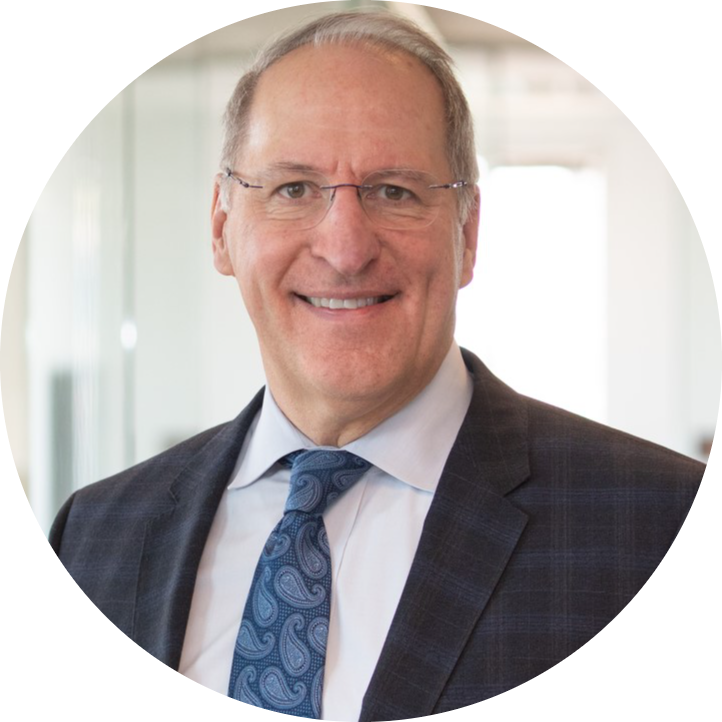
By Doug Loon
President and CEO
Minnesota Chamber of Commerce
Doug Loon: I am thrilled to have a special guest with me today. Robin Loftis is the Director of Human Resources at Clow Stamping up in Merrifield, Minnesota, which is right outside Brainerd for those who may be unaware. It is a terrific company that has grown nicely. They focus on stamping, and they serve a number of businesses across the Upper Midwest. We are thrilled to have them as a member of the Minnesota Chamber, and they are an important employer in central Minnesota.
Robin is the head of HR, and we are going to talk with her today about her experience at Clow, particularly around the Paid Family and Medical Leave law from 2023 that goes into effect January 1, 2026.
Before we get into that, Robin, say hello to the audience and talk a bit about your experience at Clow and your background there.
Robin Loftis: Hello everyone. I am Robin Loftis, Director of Human Resources at Clow Stamping Company in Merrifield, Minnesota. We have about 400 full-time employees. We stamp metal parts, and when people hear stamping, they sometimes think about rubber stamps, but we do metal parts for original equipment manufacturers in the farming, recreational vehicle, fitness and many other industries. Anyone who needs a metal part, we can help them out.
DL: I have been there, and when you think about stamping, you picture the regular sized stamping machines. But I have seen some of yours, and they are massive. They take up entire rooms and can bend metal in ways I had never seen before. It is a very cool business, and yes, you provide an important part of the supply chain for manufacturing not just in Minnesota but in other states as well.
Robin, I got to know you when you were in Leadership Minnesota just a few years back. If I recall correctly, you were in the class during COVID, the 2021 to 2022 class. Thank you for being part of Leadership Minnesota. We talk about the program frequently, and sometimes I produce this podcast from the road while I am with our leadership groups.
Take 30 seconds and talk about your Leadership Minnesota experience and maybe one highlight from the program. Also share why you chose to participate.
RL: Leadership Minnesota is a wonderful experience, and I encourage anyone to do it if they have the opportunity. There were so many great moments. I loved the mining experience and the forestry experience, but I am an animal lover, so the visit to the pig farm was amazing. I truly enjoyed that. I had no idea what the process looked like or how well cared for the pigs were. It was really cool to see.
DL: It is a great experience, and you touched on some of the same highlights I had when I went through it. I often say I would not be in this job as CEO of the Minnesota Chamber without the opportunity to be part of Leadership Minnesota. It is an eye-opening experience, and you make lifelong relationships while developing professionally. Thank you for being part of that terrific program.
RL: Jenny does an amazing job.
DL: Yes, she does. She is determined to make the program better every year. Every class thinks they are the best class, and they are the best class each year.
Robin, thank you for being here. We want to talk about Paid Family and Medical Leave. This has been an ongoing topic on the Minnesota Business Podcast. As we get closer to January 1, 2026, which is the rollout of this sizable new mandate on businesses and employees, your team at Clow Stamping with 400 employees is preparing for the certifications and paperwork required.
Tell us how you are preparing your workforce and business for this big shift in how leave is taken and the scope of it. Walk us through some of your internal operations as Clow prepares for January 1.
RL: Of course there is the compliance side. You have to go online, activate your account, assign an administrator, and decide whether you want to use the private plan option or the state plan. We elected to go with a private option.
DL: And that administrator happens to be you.
RL: Yes, it does.
DL: Share some of the advantages of going with a private plan versus sticking with the state plan. For everyone listening, the level of benefits is the same. What changes is the plan administrator and potentially the premium versus the payroll tax. All plans must meet the mandated level of benefits.
RL: For us, part of the reason we chose a private plan is that we think it will offer a better customer service experience for our employees. We already have a long-term relationship with the provider because they handle our short-term disability, long-term disability and life insurance. They gave us a great rate based on our experience because they know what to expect.
There is also a possibility that the state’s 0.88 percent payroll tax rate could increase. With a private plan, that is less likely to happen. We think the costs will be lower, which benefits both the employer and the employee.
DL: That 0.88 percent is the payroll tax that funds the state program. Most businesses are choosing to pass half of that cost to employees, which the statute allows. There is a payroll tax cost for both employers and employees.
I assume you have already had some briefings with your staff about what to expect January 1 and how to prepare. What feedback have you received from employees? At the Chamber, we held our own staff briefing and we were impressed by the questions that employees asked about how the program would apply to them. What have you heard from your team?
RL: We talked about it at our State of the Company meeting. We are an EOS company using the Entrepreneurial Operating System, so we have quarterly meetings with the entire company. We rolled it out there.
People were surprised. Many had no idea about the 0.88 percent tax or that it would be shared between employees and the employer. Some asked how this happened since it was not something we chose to do.
DL: And I am sure you are also changing your leave strategies starting in the new year.
RL: Yes. We will still offer short and long-term disability, but it will all be coordinated by the private insurance company. They will receive claims and determine eligibility. We have already had one claim, so we are beginning to see what the communication will look like.
I am a little apprehensive about how the communication will work for intermittent leave, but I am far more comfortable with a private plan than the public plan.
DL: As you think about your workforce needs, you have to make sure your machines and shop floor are staffed properly. How are you anticipating these changes and planning to ensure you do not miss deadlines within your supply chain?
RL: There is no crystal ball, but it is prudent to expect additional absences that you will need to cover. The big challenge is figuring out how you get the work done with fewer people available.
We are doing some overstaffing, at least initially. We also expect growth, so we will use those employees either way. But to hedge your bets, overstaffing makes sense.
DL: There is a cost to that.
RL: Yes. The cost is not only in overstaffing but also maintaining benefits for the person who is out on leave. You are providing benefits for the person out and for the replacement worker. That is a cost many people do not consider.
DL: There will be upward cost pressure that you may or may not be able to pass along to customers. That creates competitive challenges for Minnesota.
RL: Exactly.
DL: That is our concern. I am also concerned about how well the state plan launches for the many employers who will use it. And there is the broader concern about whether the state system remains affordable at the 0.88 percent tax. The statute allows for that rate to rise without the Legislature approving it. The Commissioner at DEED has the authority to adjust it. We are concerned about the taxation impact on Minnesota’s economy as we think about competitiveness. Costs matter across every industry.
Another factor here is that every employer with at least one employee must comply with this law.
RL: I think it is going to catch a lot of small employers off guard.
DL: Yes. They are already struggling to comply with Earned Sick and Safe Time, which has been in effect for more than a year. Now they also have to layer this new mandate on top of that. As a professional HR leader at a 400-person company, put yourself in the shoes of a ten-person employer. What adjustments have you made to your internal controls to make sure you are compliant, and what would you tell a smaller employer?
RL: If I were a ten-person employer, I would hope I had a resource like the Chamber, an insurance broker or a local SHRM chapter to help walk me through the process. It is a lot. You have Earned Sick and Safe Time, the Minnesota Paid Leave law and the Minnesota break law that is coming soon. It is getting more challenging all the time.
DL: That is our concern as well. There is a lot of layering of new regulations and taxes. Compliance costs money, and it takes time. One of the Chamber’s roles is helping businesses understand their compliance responsibilities. If you are not familiar with the requirements, go to mnchamber.com. We have a resource toolkit that provides a wide range of information to help businesses navigate these challenges.
We will stay vigilant on helping businesses understand this law and others. We also remain committed to pursuing reforms to this law as it rolls out. The Legislature returns mid-February, about six weeks after the launch. We will be learning and communicating with lawmakers, policymakers, and regulators about how this program is working and where improvements are needed.
The big launch is January 1, 2026, just a few weeks away.
Robin, thank you for being with us today. Thank you for your work helping Clow navigate these changes. We appreciate Clow being a Chamber member. You are an important employer in Minnesota, and we celebrate everything you do in Merrifield to support your local and state economy.
RL: Thank you, Doug. And thank you for everything the Minnesota Chamber does for business as well.
DL: That is it for this week’s Minnesota Business Podcast. Thanks for joining us. We look forward to catching up with you next week.
SHARE


Recommended Articles