Building Minnesota's Paid Family and Medical Leave program
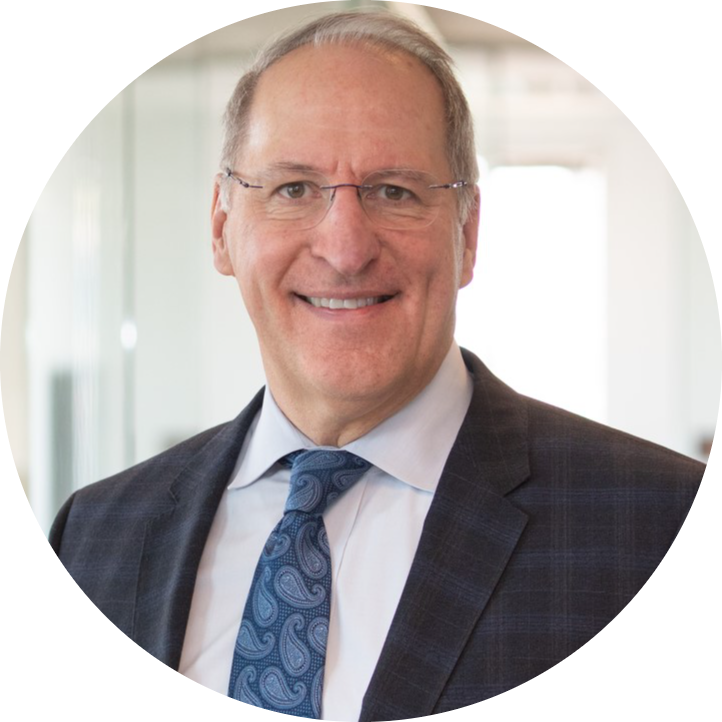
By Doug Loon
President and CEO
Minnesota Chamber of Commerce
The Chamber's resources on Paid Family and Medical Leave can be found here.
Doug Loon: Welcome back, friends, to this week's Minnesota Business Podcast. Doug Loon here, coming to you from our offices, and we're thrilled to have another conversation about Paid Family and Medical Leave.
If you've listened to the podcast in the past, you know this has been a recurring topic since the passage of the law back in 2023. Here at the Chamber, we've been discussing and preparing for the rollout – which we're in the midst of right now.
Businesses across Minnesota are making important decisions about how they'll participate in this new mandate – both for their companies and their employees.
I'm thrilled to have with me Greg Norfleet, Director of the Paid Family and Medical Leave Program here in Minnesota. Greg comes to Minnesota from Massachusetts, where he served as Director of Operations for that state's Paid Family and Medical Leave program, which launched in 2021. So, they're a few years ahead of us.
For context, Minnesota's program goes live on January 1, 2026 – about 75 days from now. That happens to fall on a holiday, which is one of the questions I'll get to shortly. But first, Greg, thank you for being here and please say hello to our audience.
Greg Norfleet: Thanks so much, Doug. I'm absolutely thrilled to be here, and I really appreciate the opportunity to speak with your membership today.
DL: Fantastic. We've got a broad audience for this podcast – people who want to get the latest news and understand what the new Paid Family and Medical Leave law means for their business.
As you know, this program – passed in 2023 and taking effect January 1, 2026 – creates a government-run insurance system where employers and employees will both contribute. The state will provide leave benefits that many employers currently offer directly.
From your perspective, as you've been building out this program, what are some of the challenges your team has faced and how are things coming along as we approach that all-important launch date?
GN: It's been a real rush over the last two years but also very exciting to be able to build an agency from the ground up. I think what I'm most proud of is the team we've assembled. We've brought together people who can adapt quickly to any changes from the legislature, and we feel confident about our ability to launch the program on time on January 1.
Looking back, we've had a lot of "firsts." Way back in 2024, we launched wage detail reporting in partnership with the Unemployment Insurance (UI) program. That was a big milestone because it meant employers wouldn't have to report wages in multiple systems just to comply with Paid Leave.
We also started our first public engagement session in St. Cloud – at a Chamber of Commerce event, actually – and since then, we've done over 250 presentations across the state. I want to give a shoutout to the Minnesota Chamber for helping us reach such a wide audience.
More recently, we opened our first contact center this past July. In the early days, it was literally just me responding to every email we received. Today, we have a full team of agents ready to support employers as they prepare for the law. The contact center is open Monday through Friday from 8:00 a.m. to 4:00 p.m., except for state holidays.
DL: If I remember correctly, when the legislature considered this, DEED projected more than 400 employees would be needed to administer the program. How's that coming both in terms of building the staff and preparing for ongoing management once we reach January 1?
GN: Building something new in state government is a big challenge, but also a huge opportunity. We don't have legacy systems or data, so we can build things the right way from the start. That really attracts a certain kind of person – someone with an entrepreneurial spirit who wants to be part of building something modern and effective.
We've had great success recruiting people with that mindset, and we're on track to meet our staffing goals without issue. We're building a modern agency that might not look like what people expect from state government and that's a good thing.
DL: That's important, especially since the legislature decided not to delay implementation. So, yes, you're officially on the clock.
I remember visiting your office and seeing that reverse countdown clock you have ticking down to launch day. I think we're at about 75 days now.
From my perspective, having a smooth rollout is critical. If the system doesn't function properly, employees will turn to their employers first with questions and frustrations, which could be difficult to navigate.
You've worked on similar programs in Massachusetts and have had the chance to study others across the country. How has that helped shape Minnesota's system?
GN: Being the 13th state to launch a paid leave program definitely has its advantages. We've had a lot of support from other states – both on the technology and policy sides – and we've been able to learn from what's worked elsewhere.
But one thing we've really focused on here is building with Minnesota, not for Minnesota. That means we've tried to develop the program in partnership with employers across the state.
A good example is our new Leave Administrator Portal. We designed it with direct input from employers. It's meant to provide transparent, actionable information to help businesses when an employee goes out on leave. If you set up an account, you'll be able to review applications, track absences, coordinate state-paid leave with your own benefits, and – if you're a small employer – access grant funding through our small employer assistance program.
DL: That's great. And I know you've been out on the road a lot, meeting with employers and Chambers across the state this fall. How has that input shaped the final design of the program?
GN: It's been invaluable. Employers have really helped make the program stronger.
If you go on our website, you'll see that our FAQ section is almost entirely made up of questions we've been asked during our listening sessions. Those conversations have challenged our assumptions and helped us better understand what matters most to Minnesota employers.
That feedback has directly shaped tools like the Leave Administrator Portal – employers told us they wanted transparency, simplicity, and clear, actionable information. That's exactly what we're aiming to deliver.
DL: You mentioned the portal – is that available now, or will it launch closer to January?
GN: It's live today. Employers can set up an account right now. The information on how to sign up is on our website, PaidLeave.mn.gov.
In short, you designate someone through your existing UI account (or your joint Paid Leave/UI account) as your Leave Administrator and then register on our site. That gives you full access to the portal.
DL: That's important information. As you think about the role of employers and our podcast listeners, what should they be doing right now, in mid-October, to prepare for January 1, 2026?
GN: The first thing I'd say is: there's still time.
Start by designating your Leave Administrator – that's your main contact with our division. Then review our Employer Guide at info.PaidLeave.mn.gov, which includes clear steps to get ready for January 1.
And don't hesitate to reach out. Our contact center is open Monday through Friday, 8:00 a.m. to 4:00 p.m., at 651-556-7777.
DL: Fantastic. As you mentioned, compliance will be key. The Chamber has shared concerns about this mandate, but we're focused right now on helping businesses understand what's required and how to be ready.
That's why we're hosting our 2025 Workplace Compliance Conference on October 21 at Bunker Hills Golf Club in Coon Rapids.
Greg will be there in person doing a live demonstration of the Paid Leave website and answering questions directly from employers. We'll also have a series of roundtables where businesses can talk with each other and learn from experts about how to manage implementation.
Greg, thank you for joining us today and for the transparency you've shown throughout this process. We look forward to seeing you at the conference.
GN: Thank you, Doug. We really appreciate the Chamber's partnership and the opportunity to engage directly with employers. I'm looking forward to the event.
DL: Thanks again, Greg and thanks to everyone listening. Please have a great weekend, and we'll see you next time on the Minnesota Business Podcast.
The Chamber's resources on Paid Family and Medical Leave can be found here.
SHARE


Recommended Articles